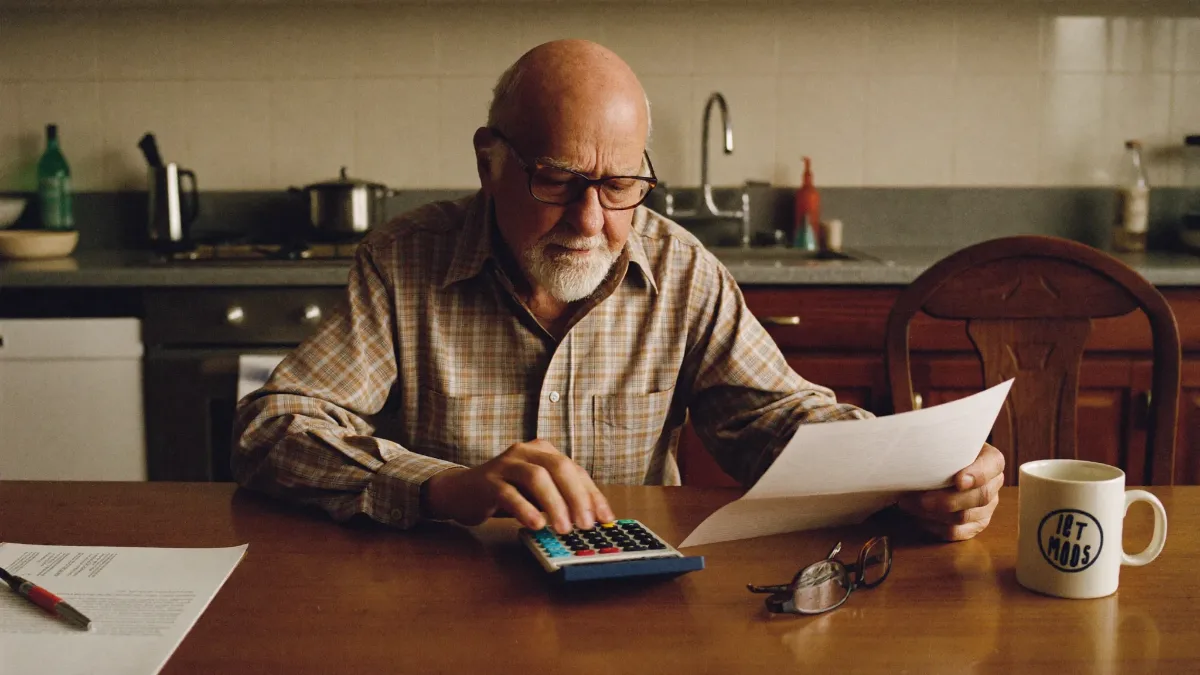
The size of your State Pension depends on your National Insurance record. Most people need around 35 qualifying years for the full new State Pension, and at least 10 years to get anything at all.
The catch is that many people have gaps they do not know about. Years spent caring for relatives, working part time below the threshold, living abroad, or running a small business can all leave holes in the record. Each missing year can mean a smaller pension, every week, for the rest of your life.
Step one costs nothing
Before anything else, check your record. You can see your State Pension forecast and your full National Insurance record free of charge on gov.uk, or by ringing the Future Pension Centre if you have not yet reached State Pension age. The forecast shows what you are on track to receive and whether any years are marked as incomplete.
If you have already reached State Pension age, the Pension Service can tell you whether paying for past years would increase what you get now.
When paying to fill a gap makes sense
You can usually pay voluntary National Insurance contributions to fill gaps from recent years. As a rough guide, filling one full missing year costs several hundred pounds as a one off, and can add several hundred pounds a year to your pension for life. For someone who draws a pension for twenty years, that is one of the strongest returns available anywhere, which is why pension experts talk about it so often.
But, and this matters, it is not right for everyone. Paying for extra years adds nothing if:
- You already have enough qualifying years for the full amount
- You are likely to gain those years anyway through future work or credits
- You were contracted out for long periods, which can change the sums
Watch the deadlines
You can normally only go back six tax years, so a gap left unattended eventually becomes a gap you cannot fix. The figures for voluntary contributions also change each April, so check the current rates on gov.uk before deciding.
Half an hour on the phone, at no cost, is the sensible first move. For a meaningful share of people over 60 it turns out to be the best paid half hour of the year.