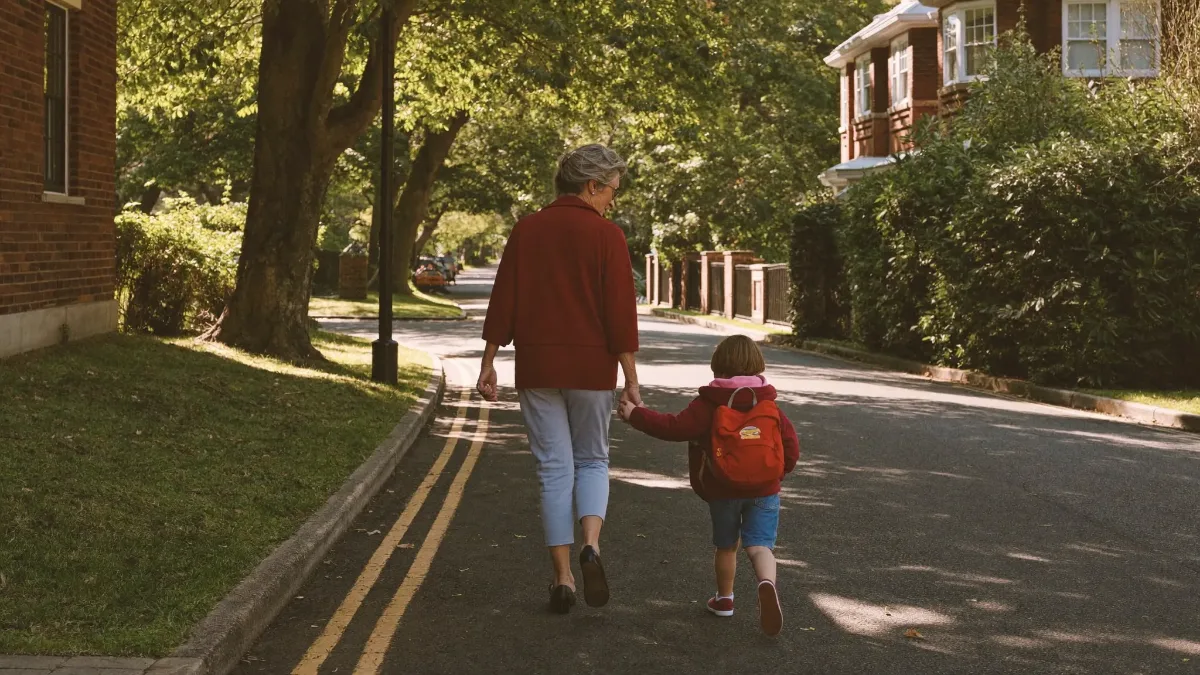
Hundreds of thousands of grandparents in the UK regularly look after grandchildren so that the parents can work. Most have never heard that this can count towards their State Pension.
The scheme is called Specified Adult Childcare credits, and it works by passing on a National Insurance credit that would otherwise go to waste.
How it works
When a working parent receives Child Benefit for a child under 12, they automatically get a National Insurance credit for that year. If the parent is working and paying National Insurance anyway, that credit does them no good. It can instead be transferred to a grandparent, or another family member, who looks after the child while the parent works.
For a grandparent who is under State Pension age and has gaps in their own record, each transferred year is a qualifying year towards their State Pension, at no cost to anyone.
Who can claim
- You are a grandparent or other close family member who cares for a child under 12 while the parent works
- You are over 16 and under State Pension age
- The child's parent gets Child Benefit and agrees to the transfer
There is no minimum number of hours set in stone, and the care does not have to be daily. Even regular care during school holidays, or before and after school one or two days a week, has supported successful claims. Since the pandemic, care given over the phone or video call during periods when families were apart has also been accepted for some years.
It can reach back years
Claims can be backdated as far as 2011, when the scheme began. A grandparent who has been doing the school run since the grandchildren were small may be able to claim several years in one go, and each qualifying year can add hundreds of pounds a year to a pension that was going to fall short.
One conversation worth having
If you do the childcare and your son or daughter claims the Child Benefit, this is a ten minute family conversation followed by one form. It is rare for the tax system to hand a family free money for something they were doing anyway. This is one of those times.